Craving a walkable, culture-filled San Antonio lifestyle with quick access to parks, museums and great dining? If you’re eyeing central neighborhoods near Alamo Heights, Uptown Central may be the right fit. You get character homes, leafy streets, and short drives to downtown and the airport. In this guide, you’ll learn what Uptown Central includes, how daily life feels, what homes cost, and tips to buy wisely. Let’s dive in.
What “Uptown Central” Means
Uptown Central refers to a cluster of north-central San Antonio neighborhoods often grouped together: Monte Vista, Alta Vista and Olmos Park, directly adjacent to or overlapping with Alamo Heights. It’s known for historic architecture, park and museum access, and shopping corridors like Broadway and the Quarry District. You can get a quick overview from the city’s visitor guide to the area in the Uptown Central neighborhood profile.
Neighborhood character and homes
- Monte Vista is one of the country’s large historic residential districts, with most homes built from the 1890s through the 1930s. Local historic-district rules can affect demolition, exterior changes and some remodels, so factor that into your planning. You can read more about the area’s preservation focus in this feature on Monte Vista’s historic fabric.
- Olmos Park is an incorporated, tree-canopied enclave with larger lots and a higher typical price point.
- Alta Vista sits closer to restaurants and retail corridors and has one of the more walkable settings nearby.
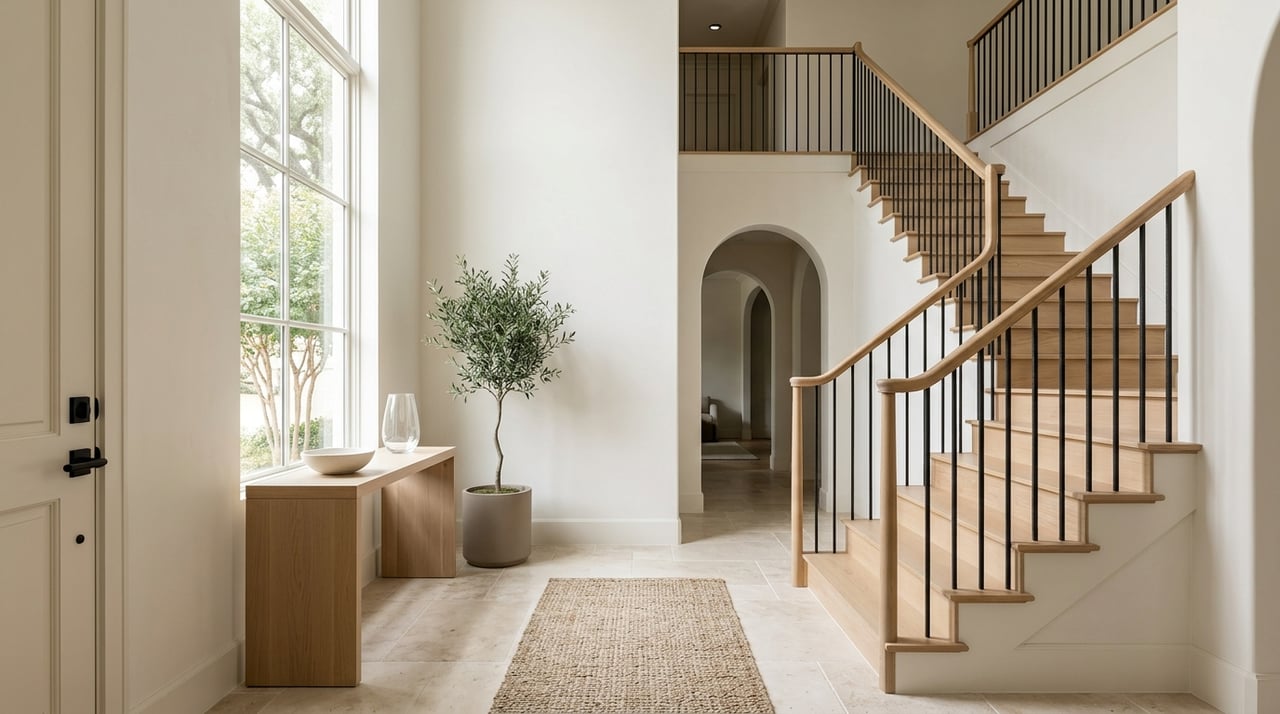
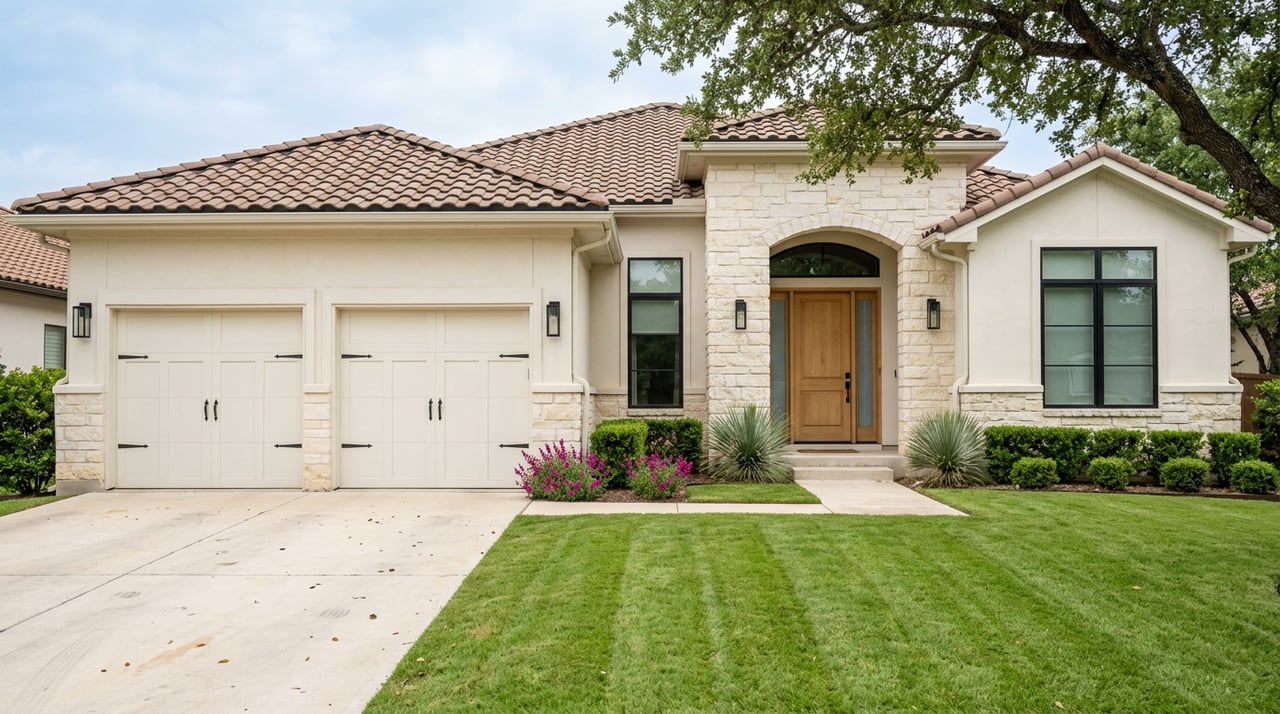
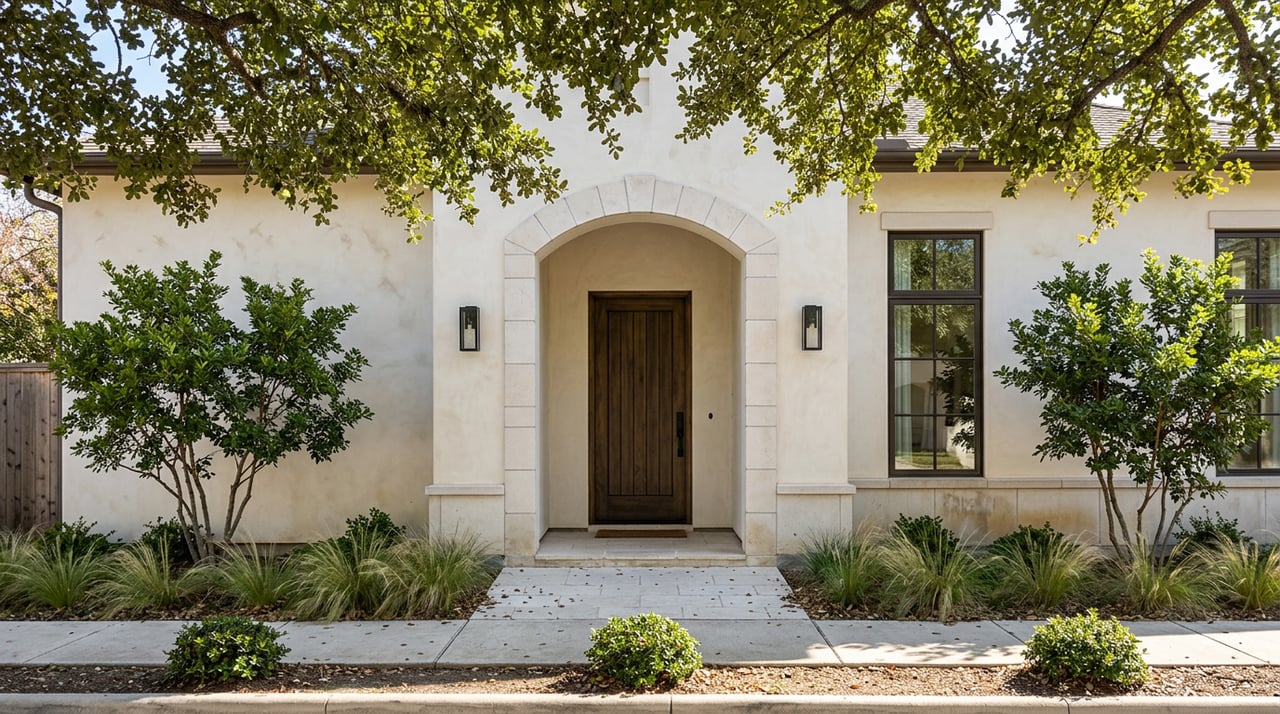
Expect a mix of early 20th-century architecture, smaller central lots, and mature trees. If you love original details and classic streetscapes, this area stands out.
Walkability and Getting Around
Walkable pockets
Day-to-day errands can often be done on foot in parts of Alta Vista and Monte Vista. Walk Score places these neighborhoods in the mid-60s, which is considered “Somewhat Walkable.” That is strong for a large metro city’s in-town area, though it is not fully car-free living. Check the Walk Score snapshot for Alta Vista for a quick feel.
Transit and driving
VIA Metropolitan Transit serves major corridors such as Broadway and routes through Alamo Heights and adjacent neighborhoods, but service levels vary and many residents still rely on cars for commutes and off-hour trips. For background on the system, see the VIA overview. You are about 5 miles north of downtown and roughly a 10 to 20 minute drive to San Antonio International Airport in typical traffic, depending on start and end points.
Everyday Life: Dining, Culture and Shops
You’ll have easy access to Broadway’s restaurant scene, Central Market for groceries, and the Quarry Market area for a one-stop retail and dining cluster. The Quarry also brings Trader Joe’s and Whole Foods into a quick radius, which is convenient for weekly shopping.
Arts and museums nearby
- The McNay Art Museum offers modern and contemporary art on a leafy campus and hosts rotating exhibits and events. Plan a visit via the McNay’s visitor information.
- The Witte Museum highlights culture, nature and science and sits near Brackenridge Park.
- The San Antonio Botanical Garden offers trails, gardens and seasonal programming.
- The city’s long-running community theater tradition is anchored by the historic San Pedro Playhouse building, which hosts productions throughout the year.
Parks and Outdoor Time
Green space is a big draw here, with a concentration of parks and gardens nearby.
- Brackenridge Park. A large urban park with picnic areas, trails, the Japanese Tea Garden and access to seasonal events at the Sunken Garden Theater. You can explore features and reservation details at the Brackenridge Park Conservancy.
- San Pedro Springs Park. One of the city’s oldest public parks with historic springs, a pool, playgrounds and open lawns. Get details on amenities at the City of San Antonio’s park page.
- Olmos Basin Park and the San Antonio Botanical Garden. Nearby options for trails, garden collections and family programs.
If weekend strolls, morning runs and picnic spots are on your must-have list, Uptown Central checks those boxes.
Schools and Family Resources
Much of Alamo Heights and adjacent Uptown Central neighborhoods feed into Alamo Heights Independent School District (AHISD), which is widely regarded as a regional draw. The district highlights dual-language opportunities, AP and advanced coursework, and a high graduation rate. You can review district resources on the AHISD website.
A recent summary shows a graduation rate around 98.4 percent and a district accountability grade in the B range. For campus-level snapshots, consult the Texas Tribune’s state data for Alamo Heights High School. Private schools and preschools are also available in and around the area, and AHISD provides enrollment and transfer guidance on its site. Always verify specific attendance boundaries before making a decision.
Housing Types and Price Context
What you’ll find
Housing here leans historic and character-rich. In Monte Vista, you’ll see early 20th-century properties with architectural detail and a range of sizes. Alta Vista skews a bit more compact and closer to restaurants and cafés. Olmos Park tends to offer larger lots and higher typical prices. Across Uptown Central, you are paying a premium for location, architectural character and proximity to parks and museums.
Price snapshots you can use
San Antonio’s broader metro median price was about 309,990 dollars in December 2025, with months of inventory around 5.25, according to the city’s MLS via the San Antonio Board of REALTORS December 2025 market release. Uptown Central neighborhoods typically sit above that citywide figure. For example:
- Monte Vista has recently reported a median in the high 600s to 700s; a neighborhood snapshot in January 2026 placed it near 719,000 dollars. Exact figures vary by month and data source.
- Olmos Park and central Alamo Heights regularly appear among the priciest pockets in San Antonio, with many medians in the high 400s to 800k-plus depending on whether you look at sold or list prices.
- For a suburban comparison, Stone Oak’s median hovered around 489,000 dollars as of December 2025.
Why numbers differ: data providers measure different boundaries, update on different schedules, and may use listing versus sold prices. For a home you have in mind, ask for a current CMA and neighborhood-specific trend review. City-level context from SABOR’s latest release is a helpful baseline while you compare options.
Who Uptown Central Fits
You may be a great match for Uptown Central if you:
- Want walkable pockets near brunch spots, coffee, parks and museums.
- Prefer character homes, mature trees and a central address over maximum square footage.
- Value quick trips to downtown and the airport.
- Are focused on public school options within AHISD and nearby private schools.
When a suburb might fit better
Consider a suburban alternative like Stone Oak or far-north neighborhoods if you:
- Need newer construction with larger yards at a lower cost per square foot.
- Prefer master-planned amenities and a wider selection of recent builds.
- Have a commute pattern that favors highway-adjacent, farther-north locations.
Practical Tips for Buying Here
- Confirm historic guidelines. If you are eyeing Monte Vista, plan for preservation reviews that can affect exterior changes and timelines. Read a backgrounder on the area’s rules and history in this Monte Vista feature, and consult the city’s Office of Historic Preservation when you are ready to plan work.
- Verify school boundaries. Check campus zones directly with AHISD before you write an offer.
- Expect street and driveway quirks. Older blocks can have tighter lots and parking patterns. Budget for potential driveway or garage updates if that matters to you.
- Plan your transportation mix. VIA serves key corridors, but many residents keep a car. Review VIA’s system overview and test-drive your routes at peak times.
- Compare apples to apples. Use a current CMA, note whether data reflects list or sold prices, and date every source you reference. City context from SABOR’s December 2025 report can help frame trends.
Next Steps
If Uptown Central near Alamo Heights sounds like your kind of everyday life, let’s map a plan that fits your budget, school needs and timeline. From historic-home due diligence to pricing comparisons with nearby suburbs, you deserve a smooth, well-informed process. Reach out to Shawn Alvarez to talk through your goals and get local, relationship-first guidance.
FAQs
Is Uptown Central walkable enough to live car-free?
- Walk Score rates parts of Alta Vista and Monte Vista in the mid-60s as “Somewhat Walkable,” so errands are often doable on foot, but many residents still keep a car for commutes and off-hour trips; see the Alta Vista Walk Score page and VIA’s system overview for context.
How are public schools serving the Alamo Heights area?
- Much of the area feeds into Alamo Heights ISD, which reports a high graduation rate and a district accountability grade in the B range; review district info at AHISD and campus snapshots via the Texas Tribune’s page for Alamo Heights High School.
How do Uptown Central prices compare to Stone Oak and citywide?
- As of December 2025, San Antonio’s metro median was about 309,990 dollars with 5.25 months of inventory per SABOR; recent snapshots showed Monte Vista near 719,000 dollars (January 2026), and Stone Oak around 489,000 dollars (December 2025), with methodology and timing differences across sources.
What parks and museums are closest to Uptown Central?
- Brackenridge Park, San Pedro Springs Park, the San Antonio Botanical Garden, the McNay Art Museum and the Witte Museum are nearby; start with Brackenridge Park’s overview, the city’s page for San Pedro Springs Park, and the McNay visitor page.
What should I know about renovating a historic home in Monte Vista?
- Exterior changes may require approvals that affect scope and timelines; learn more about the neighborhood’s preservation focus in this Monte Vista history and preservation article, and coordinate early with the city’s historic preservation office once you have a project in mind.