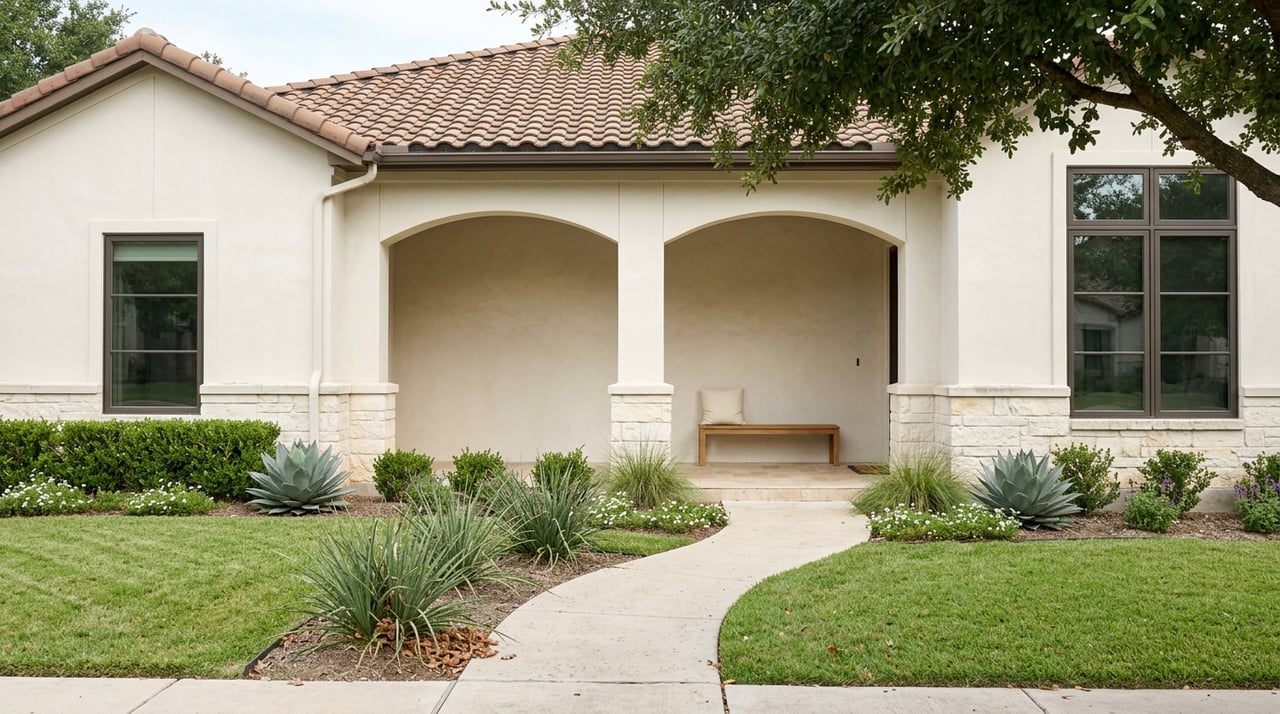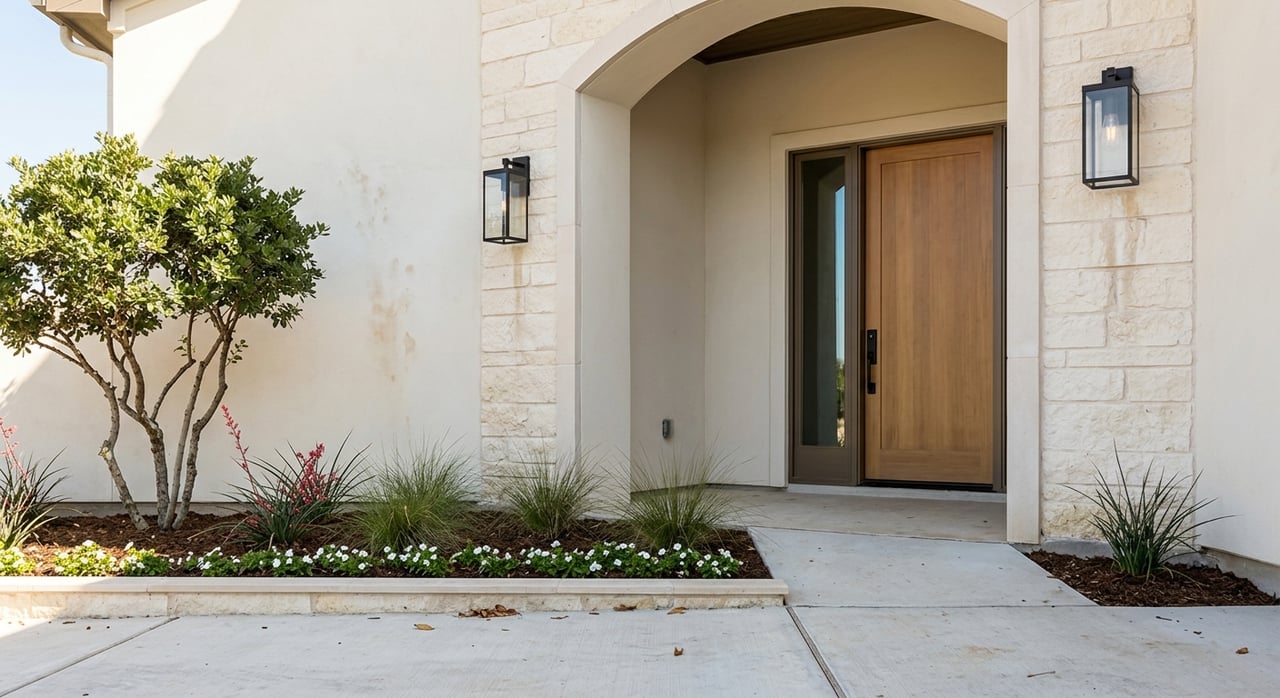
Trying to choose between a single-family home and a condo in Uptown Central? It is a smart question, especially in an area known for historic character, central location, and a mix of housing styles that can feel very different from one block to the next. If you want to balance lifestyle, maintenance, and monthly costs with confidence, this guide will help you sort through the tradeoffs and ask better questions before you buy. Let’s dive in.
Uptown Central has a distinct feel
Uptown Central is not a one-note neighborhood. Visit San Antonio describes it as an area that includes Monte Vista, Alta Vista, and Olmos Park, with historic architecture, reinvestment, local restaurants, and arts venues like San Pedro Playhouse.
That matters because your housing choice here is not just about square footage. It is also about how you want to live in a central, character-driven part of San Antonio where the ownership experience can vary a lot by property type and location.
Single-family vs condo basics
Before you compare listings, it helps to know what you are actually buying. A single-family home and a condo can both give you ownership, but the structure of that ownership is different, and that difference affects maintenance, costs, and control.
What single-family ownership usually means
With a fee-simple single-family home, you usually own the home and take on the maintenance responsibility more directly. That often includes routine upkeep, repairs, and larger future costs like roof work.
For many buyers, that direct control is a big plus. You may have more freedom over how the property is used and maintained, but you also need to budget for the work and the cost that come with that responsibility.
What condo ownership usually means
Texas law treats a condominium as a form of property with separately owned portions and shared common elements owned in undivided interests by unit owners. In general, the association is responsible for common elements, while the owner is responsible for the unit itself.
That owner responsibility can still include items like windows, doors, or utility equipment that serve only that unit, unless the condo declaration says otherwise. So while condo living may reduce exterior upkeep, it does not remove owner responsibility altogether.
Why this choice feels different in Uptown Central
In Uptown Central, housing character plays a bigger role than it might in a newer subdivision. Historic homes, central location, and older housing stock can make the gap between single-family living and condo living more noticeable.
Historic districts can affect exterior changes
Monte Vista is described by Visit San Antonio as the largest historic district in the United States. The City says local historic districts are adopted by ordinance, and exterior work may need to comply with legally enforceable design guidelines and review.
If you are drawn to a single-family home for personalization and control, this is an important detail. In some parts of Uptown Central, owning the home does not always mean complete freedom to make exterior changes without review.
Older homes may bring more upkeep
A lot of Uptown Central’s appeal comes from charm and established character. At the same time, older homes can bring more repair and maintenance needs than a newer property.
That does not make a single-family home a worse choice. It just means the right buyer should go in with a clear plan for maintenance, reserves, and any exterior review that may apply.
Lifestyle differences to think through
Your best fit often comes down to how you want your day-to-day life to feel.
A single-family home may fit you if you want more control
Single-family homes in Uptown Central often appeal to buyers who want more direct control over the property, more separation from shared spaces, and a more traditional ownership experience. They may also appeal to buyers who value yard space, historic character, or the ability to personalize the home.
The tradeoff is that upkeep falls more heavily on you. In some cases, exterior work may also involve historic-district review.
A condo may fit you if you want simpler upkeep
Condo living often works well for buyers who value location and lower day-to-day maintenance more than private outdoor space. In a central area like Uptown Central, that can appeal to first-time buyers, downsizers, relocators, and frequent travelers.
The key is to remember that lower maintenance is not the same as no maintenance. You still need to understand what the association handles, what you handle, and how the monthly costs add up.
Compare total monthly cost, not just price
One of the biggest mistakes buyers make is focusing too much on purchase price. In reality, the better value is usually the home that fits your full monthly budget.
Condo dues matter more than many buyers expect
The CFPB notes that condo or HOA dues are usually paid directly to the association rather than through the mortgage payment. Those dues can range from a few hundred dollars a month to more than one thousand dollars a month.
That means a condo with a lower sale price may still cost more each month than expected. You need to look at dues, insurance, taxes, and unit-level maintenance alongside the mortgage payment.
Single-family costs are often less bundled
With a single-family home, you may not have condo dues, but you are more likely to pay for maintenance and repairs directly as they come up. Roof work, exterior upkeep, landscaping, and aging systems can all affect your long-term budget.
This is especially important in an area with older homes. A lower monthly baseline can still come with larger future repair costs if you are not planning ahead.
Insurance can differ too
The CFPB also notes that condo ownership usually involves master insurance for common areas plus separate insurance for the unit itself. That is different from the insurance planning you would typically do for a single-family home, where you are usually covering the property more directly.
When you compare options, ask for a realistic picture of insurance needs for that specific property type. It is one more reason to look at the whole budget, not just the list price.
Do not assume a townhome is a condo
This is an easy area for buyers to get tripped up. The City of San Antonio says HOAs can include condominiums, townhomes, and subdivisions, and TREC forms make clear that a condo and a fee-simple property owners association setup are not the same thing.
In plain terms, a townhome is not automatically a condo. Before you fall in love with a listing, confirm whether the property is fee simple or condominium so you know which rules, documents, and responsibilities apply.
Questions to ask before you tour
The smartest buyers start narrowing the choice before they get emotionally attached to a property. In Uptown Central, these questions can save you time and help you compare homes more accurately.
- Is the property fee simple or condominium?
- What does the monthly HOA or condo fee cover?
- Does the association handle exterior maintenance, roofs, or landscaping?
- Are windows, doors, or unit-specific systems the owner’s responsibility?
- Is the property in a historic district with exterior-review rules?
- What does the total monthly budget look like after taxes, insurance, dues, and likely repairs?
These are the questions that separate a home that looks affordable from one that truly fits your lifestyle and budget.
Condo due diligence in Texas
If you are leaning toward a condo, expect a more formal disclosure process. TREC’s condominium resale certificate is prepared and signed by the condo association, and the condo contract says it must be no more than three months old when delivered.
If required documents were not already provided, the contract gives the buyer a seven-day termination window after receipt. That makes condo document review an important part of the buying process, not just a box to check later.
Which records should matter most
TREC maintains a public HOA database where buyers can check whether an HOA has filed a management certificate. The City of San Antonio also has a registry that can help with neighborhood contact information.
Still, the City says its registry does not verify bylaws, does not enforce them, and is not a legally binding record. In practice, the recorded declaration, bylaws, rules, and association disclosures should carry more weight than a registry listing by itself.
How to decide what fits you best
If you love the idea of a home with more privacy, yard space, and a traditional ownership experience, a single-family property may feel more natural. That can be especially true if you appreciate Uptown Central’s historic character and are comfortable taking on more upkeep.
If your priority is central location and a lighter day-to-day maintenance load, a condo may be the better match. Just be sure the association structure, monthly dues, insurance setup, and owner responsibilities make sense for your budget.
There is no one-size-fits-all answer in Uptown Central. The right choice is the one that matches how you want to live, what you want to manage, and what you can comfortably carry month after month.
If you want help comparing property types in Uptown Central and sorting through the details that matter before you make a move, connect with Shawn Alvarez.
FAQs
What is the main difference between a single-family home and a condo in Uptown Central?
- A single-family home usually gives you more direct control and more direct maintenance responsibility, while a condo usually includes shared common elements managed by an association and owner responsibility for the unit itself.
How do historic districts affect single-family homes in Uptown Central?
- In some areas, exterior work may need to comply with design guidelines and review because local historic districts are adopted by ordinance.
Are condo fees included in the monthly mortgage payment in Texas?
- Usually no. Condo or HOA dues are generally paid directly to the association rather than through the mortgage payment.
How should buyers compare the cost of a condo and a house in Uptown Central?
- You should compare total carrying cost, including mortgage, taxes, insurance, association dues, and expected maintenance or repairs.
Is a townhome always a condo in San Antonio?
- No. A townhome is not automatically a condo, so you should verify whether the property is fee simple or condominium before assuming the ownership structure.
What condo documents should buyers review in Texas?
- Buyers should review the condominium resale certificate along with the recorded declaration, bylaws, rules, and association disclosures.