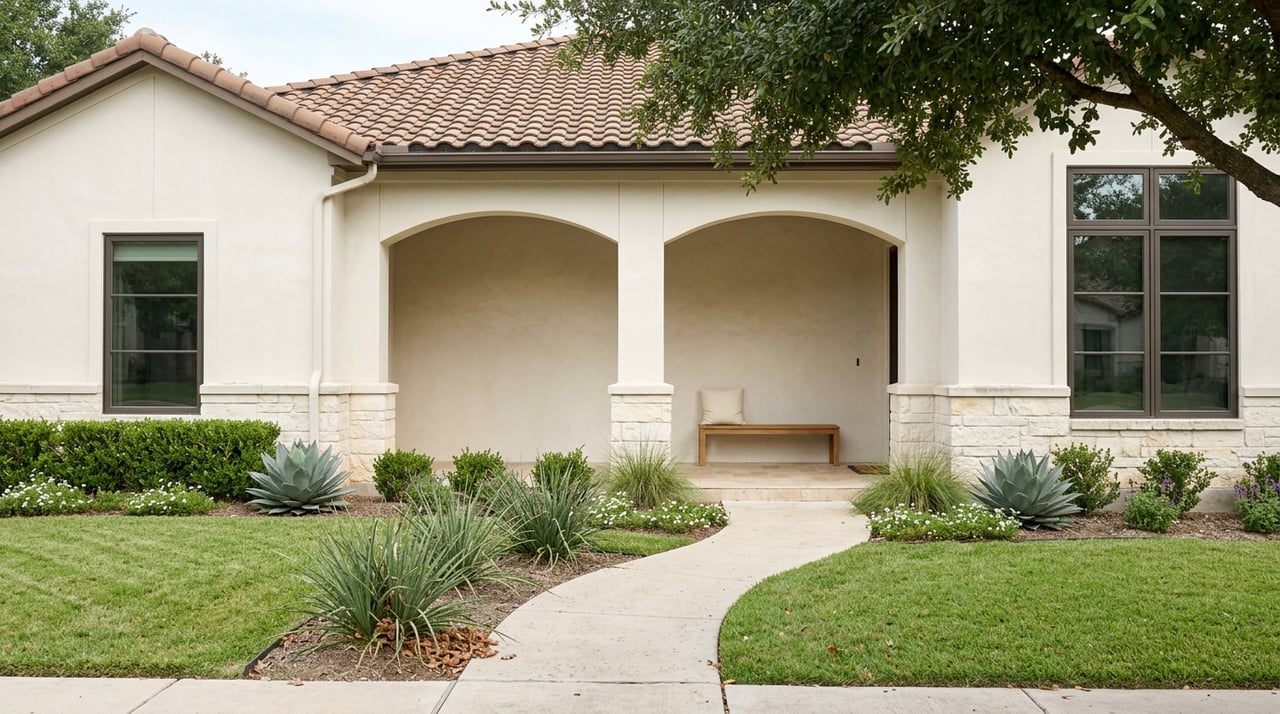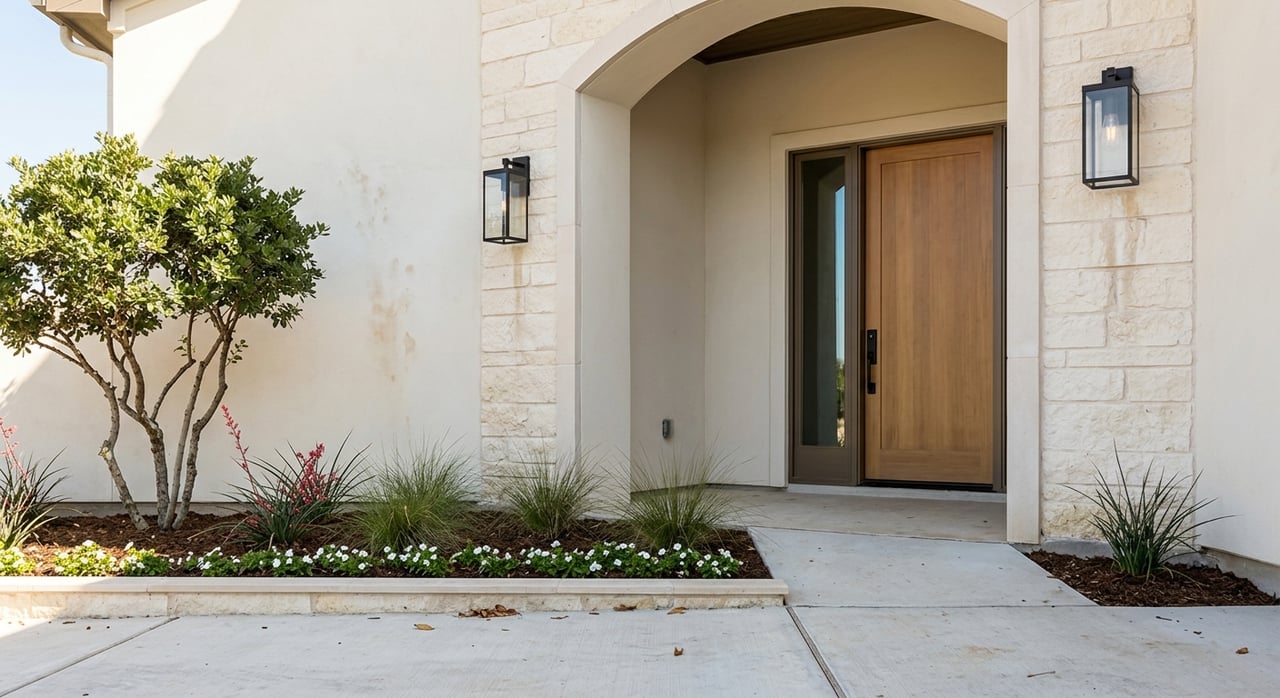
Thinking about buying in Elm Creek? This is the kind of market where the home itself is only part of the story. If you are comparing prices, lot sizes, and property types, you also need to look closely at utilities, parcel status, and long-term ownership costs. This guide will help you sort through the details that matter most before you buy, so you can move forward with more confidence. Let’s dive in.
Elm Creek Market Snapshot
Elm Creek is a census-designated place in Maverick County with 2,884 residents as of the 2020 Census. For broader budget context, Maverick County had 57,887 residents in 2020, a median household income of $49,568, and a median owner-occupied home value of $158,700.
Current listing data suggests a small and mixed market rather than a large, fast-moving one. Redfin shows 12 homes for sale in Elm Creek, with a reported median sale price of $243,000, 284 days on market, and only 2 homes sold. Because that sales sample is so small, it is best used as a directional snapshot, not a final pricing rule.
The broader 78852 ZIP code average home price on the same source is $279,250. That gives you a useful comparison point if you are trying to understand whether an Elm Creek listing feels in line with nearby options.
Home Types in Elm Creek
One of the first things to know about Elm Creek is that it is not a one-style market. Current inventory points to a rural-residential mix that includes site-built homes, ranch-style homes, two-story subdivision homes, manufactured homes, buildable lots, and larger acreage tracts.
That variety can be a benefit if you want flexibility. You may find a newer 3-bedroom home on about 0.46 acres around $290,000, a manufactured home setup priced around $179,000, a larger subdivision-style home near $385,000, or a ranch property listed much higher. There are also land listings, including a 1.511-acre lot at $145,000 and a 5.01-acre tract at $525,000.
In practical terms, Elm Creek can appeal to buyers who want more space, a nontraditional property type, or land with future plans. It also means you should compare homes carefully, since one listing may function like a suburban home while another feels much more like a rural property.
Lot Sizes and Land Expectations
Residential lots in the current sample often cluster around half an acre to about 1.5 acres. At the same time, larger parcels and ranch properties are part of the local market, so it is smart to define your needs early.
If you want room for outbuildings, extra parking, or a more spread-out layout, Elm Creek may offer options you do not always find in denser communities. If you prefer a simpler maintenance routine, you may want to focus on homes with more conventional subdivision-style lots.
Lot size also ties directly to utility planning, drainage, and future improvements. A larger tract can offer flexibility, but it can also come with more questions to answer before closing.
Verify City Limits and ETJ Status
This is one of the biggest steps before buying in Elm Creek. Some listings specifically note that a property is outside city limits and within the ETJ, while at least one lot listing says public water is available but a septic system must be installed.
That distinction matters because being inside city limits, inside the ETJ, or fully rural can affect utility access, subdivision requirements, and ongoing ownership costs. Two properties that look similar online may come with very different development rules and service setups.
Before you commit, confirm the exact status of the parcel. This is especially important if you are buying land, planning to build, or hoping to make future improvements.
Utilities Can Change by Parcel
In Elm Creek, utility questions should be answered property by property. Do not assume that the service available at one address will be identical at the next one.
Eagle Pass Water Works System says it serves the City of Eagle Pass and Maverick County, extending from North Elm Creek Subdivision northward to El Indio. That is a major point in the area’s favor, since public water and wastewater service can simplify ownership compared with fully off-grid or private-system setups.
Electric service depends on the area. The City of Eagle Pass lists both AEP Texas and Rio Grande Electric Cooperative, and its subdivision packet says the correct electrical service provider depends on location. For natural gas, the city lists Texas State Natural Gas.
Broadband availability is also parcel-specific. The City of Eagle Pass lists AT&T, AT&T Fiber, Spectrum, Viasat, and EarthLink. If internet reliability matters for work, school, or streaming, verify service to the exact address before you buy.
Buying Land in Elm Creek
If you are considering a vacant lot or acreage tract, your due diligence needs to go beyond price and dimensions. The City of Eagle Pass subdivision packet outlines the kinds of items that may come into play when property is being reviewed or prepared for development.
That packet names Eagle Pass Water Works System, Texas State Natural Gas, AEP or Rio Grande Electric Cooperative, Public Works, and the Fire Marshal as part of the process. It also requires utility layout drawings, water and wastewater service agreements when applicable, a drainage study where needed, and paid tax certificates before final plat approval is processed.
For you as a buyer, that means raw land is not automatically ready for your plans. You will want to confirm what has already been completed and what steps would still be required after purchase.
Flood Review Should Be Standard
Flood review should be part of every home search in Elm Creek. FEMA identifies its Flood Map Service Center as the official source for National Flood Insurance Program flood-hazard information, including official flood maps and FIRM panels.
Even if a property looks fine in person, flood risk can affect insurance, financing, and future costs. That is true for existing homes and for land you may want to build on later.
A quick map check is not enough on its own if questions come up. Make sure the property’s flood position is clearly reviewed as part of your purchase process.
Septic Questions Matter
Not every property will have the same wastewater setup. Some parcels may have public service available, while others may need a septic system.
If septic is part of the picture, confirm feasibility early. In Texas, the Texas Commission on Environmental Quality regulates on-site sewage facility licensing, which is a reminder that septic work should be evaluated with the right licensed professionals.
This step is especially important if you are buying vacant land or a property outside the most directly serviced areas. Septic feasibility can affect both your plans and your budget.
Check Taxes and Property Records
Before buying, take time to verify ownership records and tax details. The Texas Comptroller’s county directory lists Maverick County’s appraisal district as the local source for property tax information, and Maverick County’s official services page also points buyers there for tax payments and property-record searching.
This matters because tax bills should reflect the correct taxing units for the parcel. It is also helpful when you want to review property history, confirm parcel information, or ask follow-up questions before closing.
For recorded documents like deeds, plats, and liens, Maverick County’s official directory lists the County Clerk in Eagle Pass. If a property has a more complex history or lot status, recorded documents can help clarify what you are buying.
Verify School District Boundaries by Address
If school district boundaries are part of your home search, use parcel-level verification instead of assumptions. The Texas Education Agency’s School District Locator is the official mapping tool, but the agency also notes that its digital district boundaries are approximations for general information only.
That means an online map should be treated as a starting point, not a final answer. If a district assignment is important to your decision, confirm it for the exact property address before you move forward.
This is a simple step that can prevent confusion later. In a mixed rural-residential area, boundary assumptions can be risky.
Smart Questions to Ask Before You Buy
A good Elm Creek home search is not just about finding a house you like. It is about asking the right questions before you make an offer.
Here are a few smart ones to keep on your list:
- Is the property inside city limits, in the ETJ, or fully rural?
- Is public water and wastewater already connected?
- If not, what water or septic setup will be needed?
- Which electric provider serves this exact parcel?
- Which internet providers are actually available at the address?
- Does the parcel show flood risk on official maps?
- Which taxing units apply to the property?
- What school district is tied to the exact address?
- If it is land, what development or platting steps are still outstanding?
Why Elm Creek Appeals to Buyers
Elm Creek can be a strong fit if you want more variety than a standard subdivision market offers. The local inventory suggests you may find homes with larger lots, flexible property types, and opportunities that range from move-in-ready houses to acreage and buildable land.
At the same time, this is a market where details matter. Utility access, ETJ or rural status, flood review, and parcel-specific records can shape your experience just as much as square footage or list price.
If you go in prepared, you can make a smarter decision and avoid surprises. That kind of clarity is often what turns a stressful purchase into a confident one.
If you want a steady, relationship-first guide as you compare homes, land, and local details, Shawn Alvarez is here to help you take the next step with confidence.
FAQs
What should buyers know first about buying a home in Elm Creek?
- Buyers should know that Elm Creek is a small, mixed rural-residential market where price is only one part of the decision. Parcel status, utilities, flood review, and taxes can all have a big impact.
What types of homes are available in Elm Creek?
- Current listings suggest a mix of site-built homes, ranch-style homes, two-story subdivision homes, manufactured homes, acreage properties, and vacant land.
Why does ETJ status matter when buying in Elm Creek?
- ETJ status matters because a property’s location inside city limits, in the ETJ, or fully rural can affect utilities, subdivision requirements, and ownership costs.
Are public water and sewer available in Elm Creek?
- Some Elm Creek-area properties may have access to public water and wastewater through Eagle Pass Water Works System, but service should always be verified by exact parcel.
How can buyers check flood risk for an Elm Creek property?
- Buyers can review official flood-hazard information through FEMA’s Flood Map Service Center and should include flood review in their standard due diligence.
What should buyers ask when buying land in Elm Creek?
- Buyers should ask whether the lot has confirmed utility access, whether septic will be needed, what platting or development steps remain, whether drainage studies are required, and what taxes apply to the parcel.
How can buyers verify school district information for an Elm Creek address?
- Buyers can start with the Texas Education Agency School District Locator, then confirm the district assignment for the exact property address because the map boundaries are approximate.
Where can buyers check property taxes and records for Elm Creek homes?
- Buyers can use Maverick County appraisal and county record resources to verify tax information, ownership details, deeds, plats, liens, and other recorded documents.